Lufthansa Strikes 2013-2014: Unpacking Years of Air Travel Chaos and Financial Fallout
The years 2013 and 2014 stand as a tumultuous period in the history of German air travel, marked by a series of impactful strikes that brought Lufthansa, one of Europe's largest airlines, to its knees. These industrial actions, orchestrated by different unions, resulted in widespread flight cancellations, massive financial losses for the airline, and significant disruption for millions of passengers across Germany and beyond. From the bustling hubs of Frankfurt and Munich to the smaller regional connections, the ripple effect of these strikes touched nearly every corner of the country, affecting travelers from all states, including those planning journeys to or from regions like Rheinland-Pfalz (RLP) who often rely on major airports.
Understanding the dynamics of the Lufthansa Streik RLP and broader German air travel landscape during this time offers crucial insights into labor relations, passenger rights, and airline crisis management. This article delves into the specifics of these challenging years, exploring the causes, consequences, and the critical lessons learned for passengers navigating potential future disruptions.
The 2013 Verdi Warning Strike: A Nationwide Grounding
The initial major wave of disruption in this period struck in April 2013, orchestrated by the powerful trade union Verdi. This "warning strike" was a sharp demonstration of Verdi's strength in ongoing collective bargaining disputes. The impact was immediate and severe: Lufthansa announced that out of an estimated 1,720 scheduled departures from German airports, a staggering only 32 flights would proceed. This represented a near-total grounding of its domestic and European network, with even some long-haul flights facing cancellation.
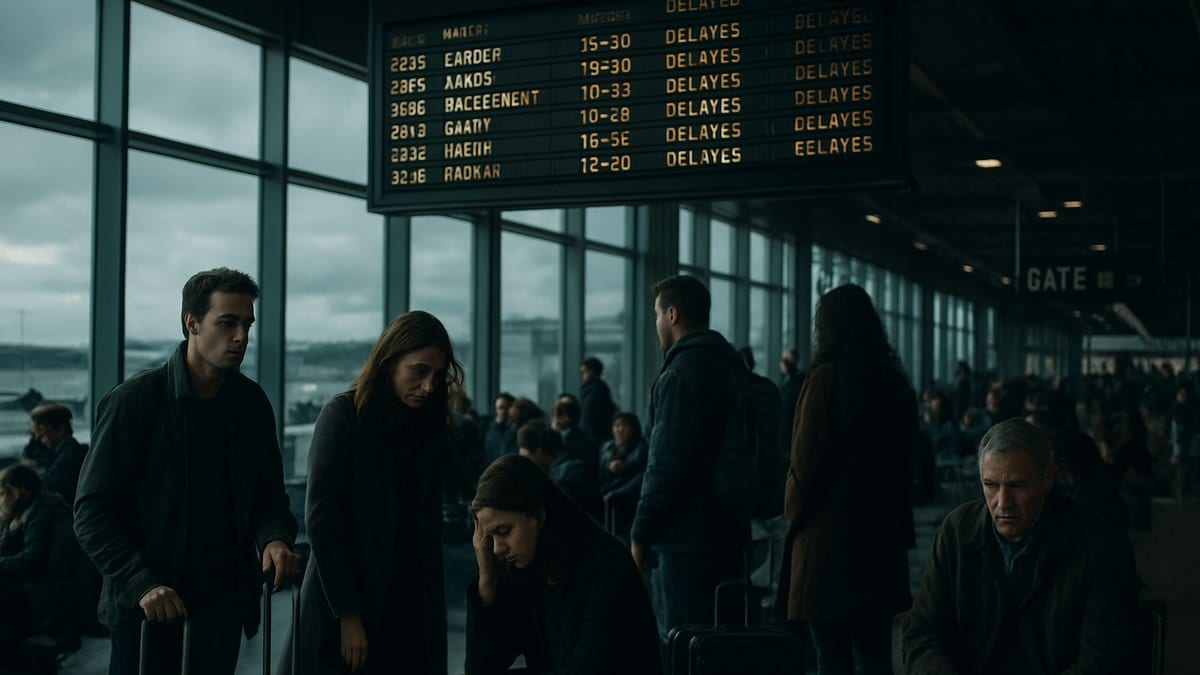
Major airports across Germany—including Frankfurt, Berlin, and Munich—were scenes of considerable chaos as thousands of passengers found their travel plans upended. The strike primarily affected inner-German and European routes, but the extensive nature of the industrial action meant that even some intercontinental connections were impacted. The airline acknowledged multi-million euro losses due to the extensive cancellations and the need to offer free rebooking or cancellation options to affected passengers. Lufthansa, in response, explored legal avenues to challenge the legality or scope of the strike, highlighting the immense financial pressure these actions imposed.
In a commendable effort to mitigate passenger inconvenience, a significant partnership was forged: Lufthansa collaborated with Deutsche Bahn. This initiative allowed passengers with canceled domestic flight tickets to convert them into rail travel vouchers, and Deutsche Bahn committed to increasing staff and deploying additional trains to accommodate the surge in demand. This pragmatic solution offered a vital lifeline for many stranded travelers, underscoring the importance of multi-modal transport strategies during air travel crises. For those residing in or planning travel to regions like Rheinland-Pfalz (RLP), accessing these alternative rail services from major hubs became a critical element of their contingency plans.
The Prolonged 2014 Pilot Strikes: Vereinigung Cockpit's Standoff
Just as the airline industry began to recover from the 2013 disruptions, 2014 brought even more prolonged and impactful industrial action, this time spearheaded by the pilot's union, Vereinigung Cockpit (VC). The 2014 strikes were notably more complex and protracted, stemming from deeply entrenched disagreements over pilot compensation and, critically, the future of the company's internal early retirement scheme.
The initial pilot strike in early April 2014 alone led to the cancellation of approximately 3,800 flights, alongside numerous delays across various routes. Negotiations between Lufthansa and VC repeatedly broke down, leading the union to announce further, often unpredetermined, strike actions. Lufthansa vehemently criticized VC's stance, calling their decision to strike "incomprehensible."
The core demands from Vereinigung Cockpit centered on two key areas:
- Increased Compensation: The union advocated for higher wages for its approximately 5,400 Lufthansa pilots.
- Preservation of Early Retirement: VC strongly resisted Lufthansa's proposed changes to the existing internal early retirement program. Lufthansa argued that the current financing model for this scheme was unsustainable in the long term, making its renegotiation a priority for the airline's future financial health.
One notable three-day strike period commenced on a Wednesday at midnight, scheduled to end Friday night. During this time, hundreds of daily flights out of Lufthansa's approximately 1,800 daily operations were immediately canceled, with more expected. Lufthansa attempted to counter the chaos with an emergency flight schedule, utilizing pilots who were not members of Vereinigung Cockpit. The airline also offered free rebooking options for all flights to and from Germany affected by the strike period, providing continuous updates to passengers via its communication channels. Despite these efforts, short-haul routes were particularly vulnerable, with many passengers facing certain cancellation.
Broader Impact and Passenger Preparedness
The repeated industrial actions between 2013 and 2014 inflicted significant damage on Lufthansa's financial performance and its reputation. Millions of euros were lost in revenue, rebooking costs, and potential legal battles. Beyond the financial impact, the strikes eroded passenger trust, prompting many to consider alternative airlines or modes of transport for future journeys. The widespread disruption also impacted the broader German economy, particularly for business travelers and the tourism sector.
For passengers, these years were a stark reminder of the vulnerabilities of air travel. The experience highlighted the importance of:
- Staying Informed: Always check flight status directly with the airline or airport website before traveling, especially during periods of industrial unrest.
- Knowing Your Rights: Passengers impacted by cancellations or significant delays due to airline-controlled events (like strikes by airline staff) often have rights to rebooking, alternative transport, or compensation under EU regulations like EC 261/2004. Learn more about your entitlements: Lufthansa Strikes: Your Guide to Flight Cancellations & Rights.
- Considering Travel Insurance: Comprehensive travel insurance can provide additional protection for non-refundable expenses and alternative arrangements.
- Exploring Alternatives: During widespread airline strikes, rail services, car rentals, or even bus travel can become viable alternatives, particularly for domestic and cross-border European routes. The Lufthansa-Deutsche Bahn partnership in 2013 was a prime example of such cooperation.
The complexity of union demands, particularly concerning pilot remuneration and long-term benefits like early retirement, often lies at the heart of such disputes. Delve deeper into these aspects here: Lufthansa Pilot Strikes: Union Demands and Financial Impact.
Navigating Future Disruptions: Lessons Learned
The Lufthansa strikes of 2013-2014 served as a critical learning period for both the airline and its passengers. They underscored the power of organized labor and the profound ripple effects that industrial action within a major airline can have on an entire nation's travel infrastructure. For Lufthansa, these events necessitated a re-evaluation of labor relations strategies and contingency planning. For passengers, they reinforced the need for proactive preparation and awareness of their rights.
Even years later, the echoes of these strikes resonate, influencing how airlines and travelers approach potential disruptions. Whether you're flying from a major international hub or planning a regional journey, such as those impacting travelers in Rheinland-Pfalz (RLP), understanding the historical context of such events empowers you to navigate future travel challenges with greater confidence and preparedness.
In conclusion, the Lufthansa strikes of 2013 and 2014 represent a period of significant upheaval in German aviation history. Driven by distinct union demands—Verdi's fight for better working conditions and Vereinigung Cockpit's pursuit of improved pilot compensation and benefits—these events caused widespread chaos, multi-million euro losses, and considerable passenger frustration. However, they also highlighted the resilience of alternative transport networks, the importance of clear communication, and the enduring need for travelers to be informed and prepared for unexpected disruptions.